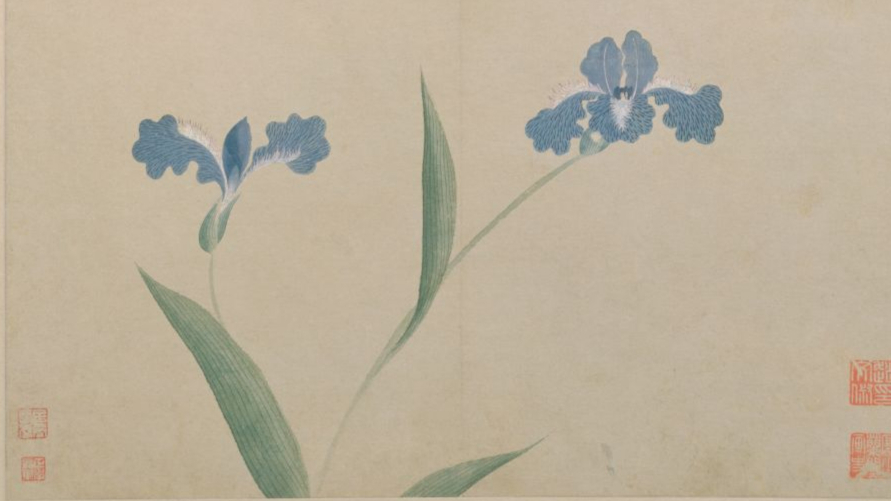
Wen Chu
Introduction
Wen Chu (1595-1634) was a distinguished painter from Suzhou, located in Jiangsu province, East China. She was part of an illustrious lineage of artists, being the great-granddaughter of the renowned Ming Dynasty master painter Wen Zhengming (1470-1559). Wen Chu was deeply influenced by her family's artistic tradition, particularly the distinctive ink brushwork style that characterized the Wen family's contributions to Chinese art. Her dedication to mastering this style was evident from her early years, as she diligently practiced the techniques that would later define her artistic legacy.
Biography
Wen Chu was born in 1595 in Suzhou, a city that was historically a cultural and artistic hub in China. Her family background was steeped in the arts, providing her with a rich environment to cultivate her talents. Her upbringing in this artistic milieu instilled in her a deep appreciation for natural subjects and the technical prowess required to depict them faithfully.
During her formative years, Wen Chu immersed herself in the study of her family's ink brushwork style, a tradition that emphasized precision and fluidity. Her dedication to her craft was demonstrated through her rigorous practice, which included producing over 1,000 drafts to imitate the herbal medicine illustrations in the Compendium of Materia Medica, compiled by Li Shizhen. This meticulous approach not only honed her skills but also prepared her for her future endeavors as an artist.
Career
Early Career
Wen Chu's early career was marked by her commitment to developing her skills in painting, particularly through the imitation of existing works that exemplified the artistic standards she aspired to achieve. Her focus on the Compendium of Materia Medica's illustrations allowed her to refine her technique and deepen her understanding of botanical subjects, which would become a central theme in her artistic oeuvre.
After her marriage, Wen Chu's artistic focus shifted to the natural environment surrounding her mountain villa, where she found inspiration in the flora and fauna of Hanshan Mountain. This period of her life was characterized by her dedication to capturing the beauty and intricacy of nature, as she created more than 1,000 illustrations of plants and insects. These works collectively became known as Insects and Flora in Hanshan Mountain, showcasing her ability to depict her subjects with both accuracy and artistic flair.
Notable Works
Wen Chu's artistic legacy is embodied in several notable works that have been preserved and celebrated for their artistic merit. Among these is Flower and Butterfly, created in 1629, which is a fan face painting using ink and color on golden paper, measuring 16.5×52.6 cm. This piece is part of the collection at the Palace Museum and exemplifies her skillful use of color and composition.
Another significant work is Flowers, dated 1631, which is an album of eight leaves painted with ink and color on paper, each measuring 27.8×42.8 cm. Also held in the Palace Museum's collection, this series further demonstrates her proficiency in capturing the delicate and vibrant characteristics of floral subjects.
Influence and Legacy
Wen Chu's influence on the Ming Dynasty's art scene, particularly among female painters, was profound. Her works, characterized by their vivid and precise depiction of nature, inspired subsequent generations of artists, particularly women, to pursue painting as a form of artistic expression.
Her legacy extends beyond her artistic achievements; Wen Chu's dedication to capturing the essence of natural beauty contributed to the broader appreciation of botanical themes in Chinese art. Her meticulous approach and innovative techniques set a standard for future artists and left an indelible mark on the cultural heritage of her time. Photo Gallery(2 pictures)CategoriesArtsTagHistorical FiguresChinese PaintingArtistsCatalogue1. Introduction2. Biography3. Career- - - []








